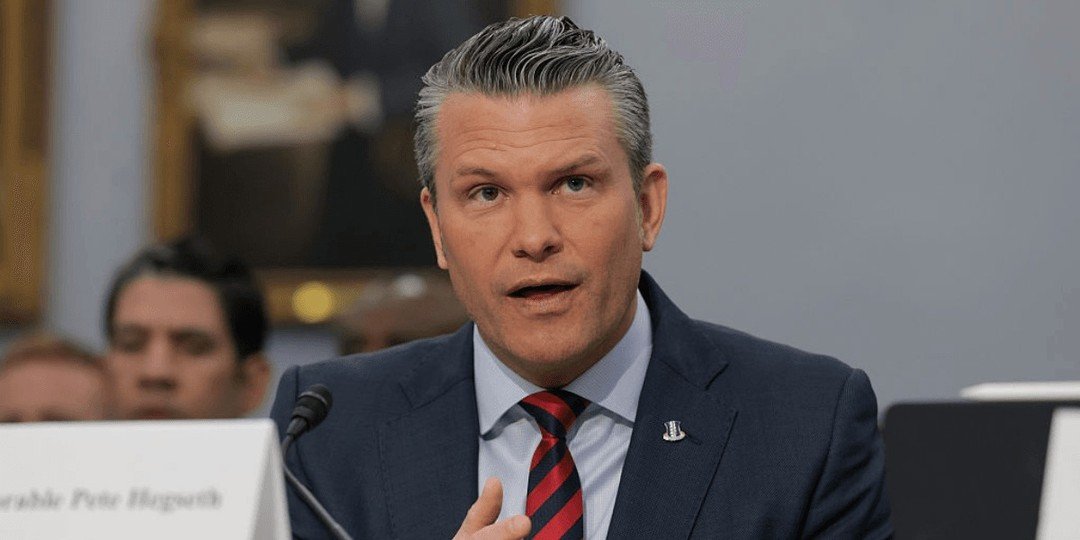
Defense Secretary Pete Hegseth has announced a new military health initiative requiring annual testosterone screenings for active-duty service members aged 30 and older, describing the program as a way to strengthen combat readiness, improve long-term health, and ensure America’s armed forces remain at peak performance.
The announcement, however, quickly ignited political controversy. While supporters praised the focus on military health and performance, critics questioned what they see as an inconsistency between the administration’s support for testosterone replacement therapy (TRT) for service members and its broader policies restricting gender-affirming hormone treatments for transgender Americans.
Within hours of Hegseth’s announcement, social media platforms were flooded with reactions, political commentary, and debates over the role of hormone therapy in modern medicine.
Pentagon Launches New Hormone Health Initiative
In a video posted on X, Hegseth introduced what he called “The High-T Department of War,” unveiling a policy that will integrate testosterone testing into routine medical examinations for active-duty personnel.
Under the new policy:
- Service members aged 30 and older will receive annual testosterone screenings during regular health assessments.
- Personnel under 30 may voluntarily request testing.
- Individuals diagnosed with medically significant testosterone deficiency may become eligible for Testosterone Replacement Therapy (TRT) under military medical guidelines.
According to Hegseth, the initiative reflects a broader effort to optimize the health and performance of America’s military personnel.
“Our most decisive tactical advantage will always be the individual warfighter,” Hegseth said in his announcement.
He argued that maintaining physical strength, endurance, resilience, and overall health is just as important as investing in advanced weapons systems or military technology.
Focus on Readiness Rather Than Enhancement
Hegseth emphasized that the program is intended to restore normal hormone levels—not provide artificial performance enhancement.
He noted that testosterone naturally declines with age in many men, potentially affecting energy, muscle mass, recovery, mood, and physical performance.
According to the Defense Secretary, identifying medically low testosterone levels early allows physicians to provide treatment that helps service members remain healthy throughout longer military careers.
“This initiative is not about artificial enhancement,” Hegseth explained.
Instead, he described TRT as a medically supervised treatment designed to restore hormone levels to a normal physiological range.
Military officials say the program is part of a broader effort to improve force readiness while reducing long-term health problems among aging personnel.
Why Testosterone Matters
Testosterone is the primary male sex hormone and plays a major role in numerous bodily functions.
Medical experts generally agree that testosterone influences:
- Muscle development
- Bone density
- Red blood cell production
- Energy levels
- Mood
- Sexual health
- Physical recovery
- Overall metabolic function
Many men experience gradual declines in testosterone as they age, although not everyone develops symptoms requiring treatment.
Doctors typically recommend TRT only after laboratory testing confirms clinically low testosterone levels alongside symptoms consistent with testosterone deficiency.
Treatment is usually administered through injections, gels, skin patches, or implanted pellets under physician supervision.
Supporters Say the Policy Makes Medical Sense
Some military health specialists welcomed the announcement, arguing that routine hormone screening could identify health issues that often go undiagnosed.
Supporters say untreated testosterone deficiency can contribute to:
- Chronic fatigue
- Reduced physical performance
- Slower injury recovery
- Depression
- Decreased concentration
- Loss of muscle strength
In physically demanding professions such as military service, proponents argue these symptoms can directly affect operational readiness.
Routine screening, they say, allows physicians to intervene before symptoms significantly impact a soldier’s effectiveness.
Some also noted that the military already conducts numerous preventive health screenings covering cardiovascular health, hearing, vision, and other medical conditions.
Adding testosterone testing, they argue, simply expands preventive healthcare.
Critics Point to Hormone Policy Contradictions
Despite those arguments, much of the online conversation focused on what critics viewed as inconsistent messaging regarding hormone therapy.
Many pointed out that the Trump administration has supported policies limiting access to gender-affirming medical care for transgender individuals, including restrictions involving hormone therapy.
Critics argued that while testosterone replacement is now being promoted as beneficial for military readiness, other hormone treatments have faced increasing political opposition.
The contrast became one of the dominant themes across social media.
Many users questioned why one form of medically supervised hormone therapy is being publicly encouraged while another has faced legal and political restrictions.
Supporters of the administration responded that the two medical situations involve different diagnoses, treatment goals, and patient populations, arguing they should not be directly compared.
Social Media Reacts
The announcement generated thousands of comments online.
Some users praised the initiative as a practical investment in military readiness, arguing that maintaining soldiers’ health should remain a top priority.
Others responded humorously, making jokes about what Hegseth’s “High-T Department of War” slogan implied.
Political critics largely focused on perceived inconsistencies between the administration’s broader healthcare positions and the new testosterone initiative.
Supporters countered that improving the health of active-duty military personnel is a legitimate responsibility of the Defense Department regardless of broader political debates.
As often happens with politically charged announcements, the discussion quickly expanded beyond the details of the policy itself.
Hegseth’s Broader “Warrior Ethos”
The testosterone initiative aligns closely with Hegseth’s broader vision for the U.S. military.
Since becoming Defense Secretary, he has repeatedly emphasized rebuilding what he calls the military’s “warrior ethos.”
His priorities have included increasing combat readiness, strengthening physical fitness standards, modernizing training, and emphasizing battlefield effectiveness.
Supporters argue these efforts reflect a renewed focus on military preparedness.
Critics, however, contend that some initiatives rely more on political messaging than measurable improvements in defense capability.
The testosterone screening program has now become one of the most visible examples of Hegseth’s philosophy regarding military health and performance.
Medical Experts Urge Caution
Healthcare professionals generally emphasize that testosterone therapy should only be prescribed following comprehensive medical evaluation.
Low testosterone can result from numerous underlying conditions, including endocrine disorders, obesity, chronic illness, medication use, or normal aging.
Medical organizations recommend confirming low hormone levels through repeated laboratory testing before beginning treatment.
Experts also caution that TRT carries potential risks, including effects on fertility, cardiovascular health, sleep apnea, and blood cell production, making ongoing physician monitoring essential.
Most clinicians agree that testosterone replacement can provide meaningful benefits for patients with confirmed hormone deficiency when used appropriately.
Political Debate Continues
As debate continues, the new Pentagon policy highlights how medical decisions increasingly become subjects of political controversy.
Questions surrounding hormone therapy, military readiness, preventive healthcare, and government policy now intersect in ways that extend far beyond traditional defense issues.
Whether the annual screening program produces measurable improvements in troop health or readiness remains to be seen.
For now, however, Hegseth’s announcement has generated far more than a discussion about testosterone levels—it has reignited broader national debates over hormone treatment, healthcare policy, and the role politics plays in medical decision-making.
As implementation begins across the armed forces, the initiative is likely to remain under close scrutiny from lawmakers, military health experts, advocacy groups, and the public alike.